Beginner
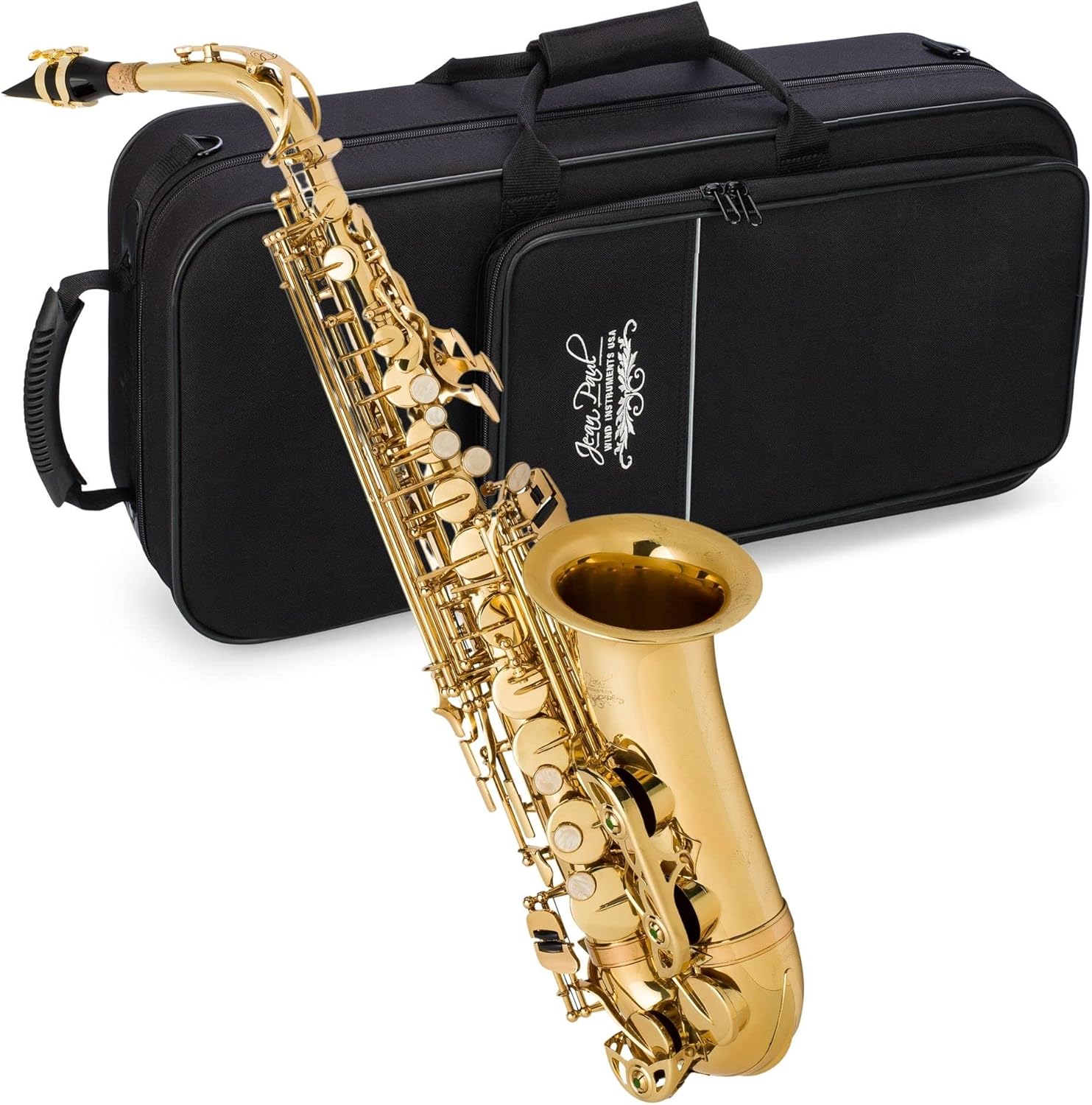
The saxophone is a single-reed woodwind instrument with a conical brass body — classified as a woodwind (not brass) because sound is produced by a vibrating reed rather than the player's buzzing lips. The alto saxophone, in the key of Eb, is the standard beginner configuration; soprano, tenor, and baritone saxophones exist but are typically not a student's first instrument.
Not a standard member of the classical orchestra (it appears only in specific repertoire), but a central, foundational instrument in concert band, jazz ensembles, and marching band.
Sound is produced by a single reed vibrating against the mouthpiece; pitch is changed with a large key system rather than the fewer keys/valves of most other beginner woodwinds. Parts are written in treble clef.
Alto saxophone (Eb) — the standard beginner configuration.
Soprano, tenor, and baritone saxophones exist in the same family but are typically an intermediate-or-later addition, not a first instrument.
The large number of keys can look intimidating at first but follows a logical layout once learned. Reed maintenance is an ongoing, real consideration — reeds wear out, vary between individual pieces even within the same box, and need periodic replacement, similar to clarinet.
Nearly every true beginner saxophone is an alto in the key of Eb — soprano, tenor, and baritone saxophones exist in the same family but are typically added later, not chosen as a first instrument. Unlike sizing decisions for string instruments, there is no fractional-size question for saxophone; the main practical consideration for a young beginner is hand size reaching the key system comfortably.
Budget for reeds as an ongoing cost from day one — unlike a one-time instrument purchase, reeds wear out and need periodic replacement, and individual reeds vary in quality even within the same box. A new player should expect to go through several reeds while finding ones that suit their embouchure.
Parents and beginner players choosing a first Eb alto saxophone for school band programs or private lessons.
We compare 5 saxophones side by side — what each one suits, where each compromises, and what to check before buying.

This FAQ reflects our own desk research. We'll add an "expert reviewed" label once a named, credentialed reviewer has been engaged for this subject.
Nearly every true beginner starts on an alto saxophone in the key of Eb. Soprano, tenor, and baritone saxophones exist in the same family but are typically an intermediate-or-later addition, not a first instrument.
Almost always an issue with the reed itself (chipped, warped, or too old) or its placement on the mouthpiece, not the instrument. See this site’s How-To guide on saxophone reed troubleshooting for the full steps.